Capybara: The Friendly Giants of the Pantanal
Meet the capybara, the world’s largest rodent and a beloved icon of the Pantanal. These gentle giants, with their calm demeanor and sociable nature, are a must-see on any Pantanal safari. This article delves into the fascinating world of the capybara, offering insights into their lives and providing practical tips for spotting them in their natural habitat.
The Amiable Ambassador of the Pantanal
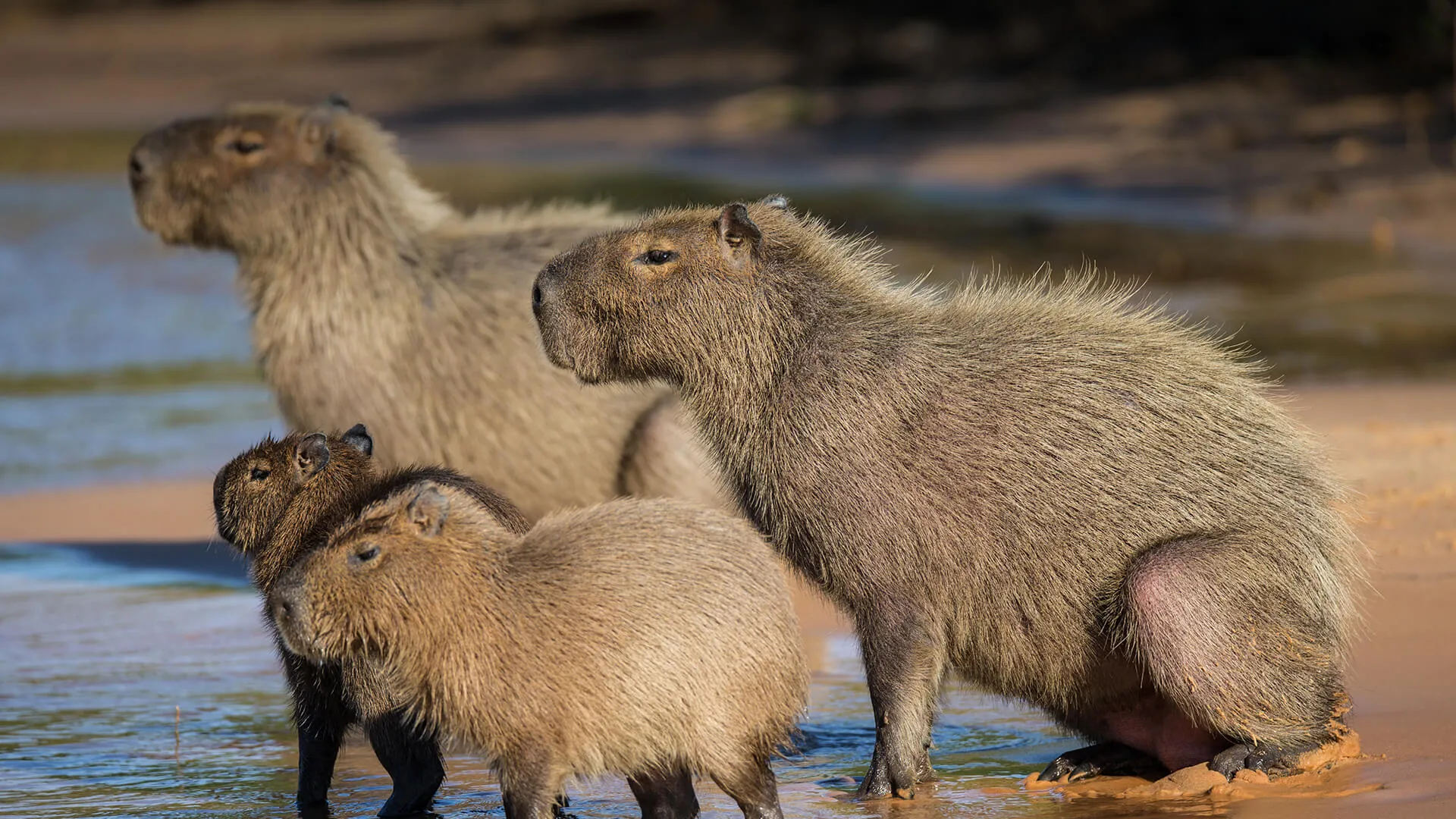
The capybara (Hydrochoerus hydrochaeris) is a semi-aquatic mammal native to South America. Weighing up to 150 pounds and standing about two feet tall at the shoulder, they are a significant presence in the wetlands they call home. Their appearance is as unique as their size, with a barrel-shaped body, short legs, and a large, rectangular head. Their coarse, reddish-brown fur is quick to dry, an essential adaptation for a life spent in and out of the water.
Capybaras are highly social animals, often living in groups of 10-20 individuals, though larger groups can form. This social structure is a key part of their defense against predators.
A Keystone Species in the Pantanal Ecosystem
Capybaras play a crucial role in the Pantanal's delicate ecosystem. As herbivores, their grazing helps to maintain the balance of plant life in the wetlands. They are a primary food source for a variety of predators, most notably the jaguar. A healthy capybara population is a sign of a thriving ecosystem, making them a key indicator species for the health of the Pantanal.
Diet and Predators
Their diet consists mainly of grasses and aquatic plants. Like other rodents, their teeth grow continuously, and they wear them down by chewing on tough vegetation. A peculiar and fascinating aspect of their digestive system is that they are coprophagous, meaning they eat their own feces. This allows them to extract the maximum amount of nutrients from their food.
While they may seem relaxed, capybaras are always on the alert for danger. Their main predators include jaguars, pumas, and caimans. The young are also vulnerable to anacondas, ocelots, and birds of prey. Their primary defense is the water; they are excellent swimmers and can stay submerged for several minutes to evade threats.
Where and When to See Capybaras in the Pantanal
For those embarking on wildlife tours in the Pantanal, seeing capybaras is almost a guarantee. They are most active during the cooler hours of the day, at dawn and dusk, when they can be seen grazing along riverbanks and in open grasslands. During the heat of the day, they are often found wallowing in the water or mud to stay cool.
The best time to visit the Pantanal for wildlife viewing, including capybaras, is during the dry season, from May to October. During this time, the water recedes, concentrating the wildlife around the remaining water sources and making them easier to spot. A jaguar safari Brazil often includes fantastic opportunities to see capybaras, as they are a favorite prey of the elusive big cat.
Tips for Your Capybara Sighting Adventure
- Choose the right tour: Look for reputable Pantanal safari operators that prioritize responsible wildlife viewing.
- Be patient and quiet: While capybaras are generally not shy, it's important to observe them from a respectful distance to avoid causing stress.
- Bring binoculars and a good camera: You'll want to get a closer look and capture the moment without disturbing the animals.
- Listen to your guide: Local guides have a wealth of knowledge about the animals and their behavior, and their insights can greatly enhance your experience.
The Unforgettable Experience of a Pantanal Safari
A trip to the Pantanal is an unforgettable journey into one of the world's most spectacular wildlife havens. The capybara, with its gentle nature and social charm, is a true highlight of any visit. Observing these friendly giants in their natural environment is a unique and rewarding experience that will stay with you long after you've returned home.
Ready to meet the friendly giants of the Pantanal? Book your Pantanal safari today and embark on the adventure of a lifetime! Discover the incredible biodiversity of this unique wetland and create memories that will last forever.
The Social Life of a Capybara
Capybaras are highly social animals, and their group dynamics are a fascinating aspect of their behavior. They live in stable, mixed-gender groups, typically led by a dominant male. This social structure provides numerous benefits, including increased vigilance against predators and cooperative care of the young. The phrase "as calm as a capybara" is a testament to their gentle and tolerant nature. They are often seen coexisting peacefully with other animal species, and it's not uncommon to see birds perched on their backs, feeding on insects.
A Symbiotic Relationship
This interaction is a classic example of mutualism, a symbiotic relationship where both species benefit. The birds get an easy meal, and the capybaras are freed from pesky insects. This gentle demeanor extends to their interactions with other animals as well, and they are often seen sharing their space with a variety of other species, further cementing their reputation as the friendly giants of the Pantanal.
Conservation and the Future of the Pantanal
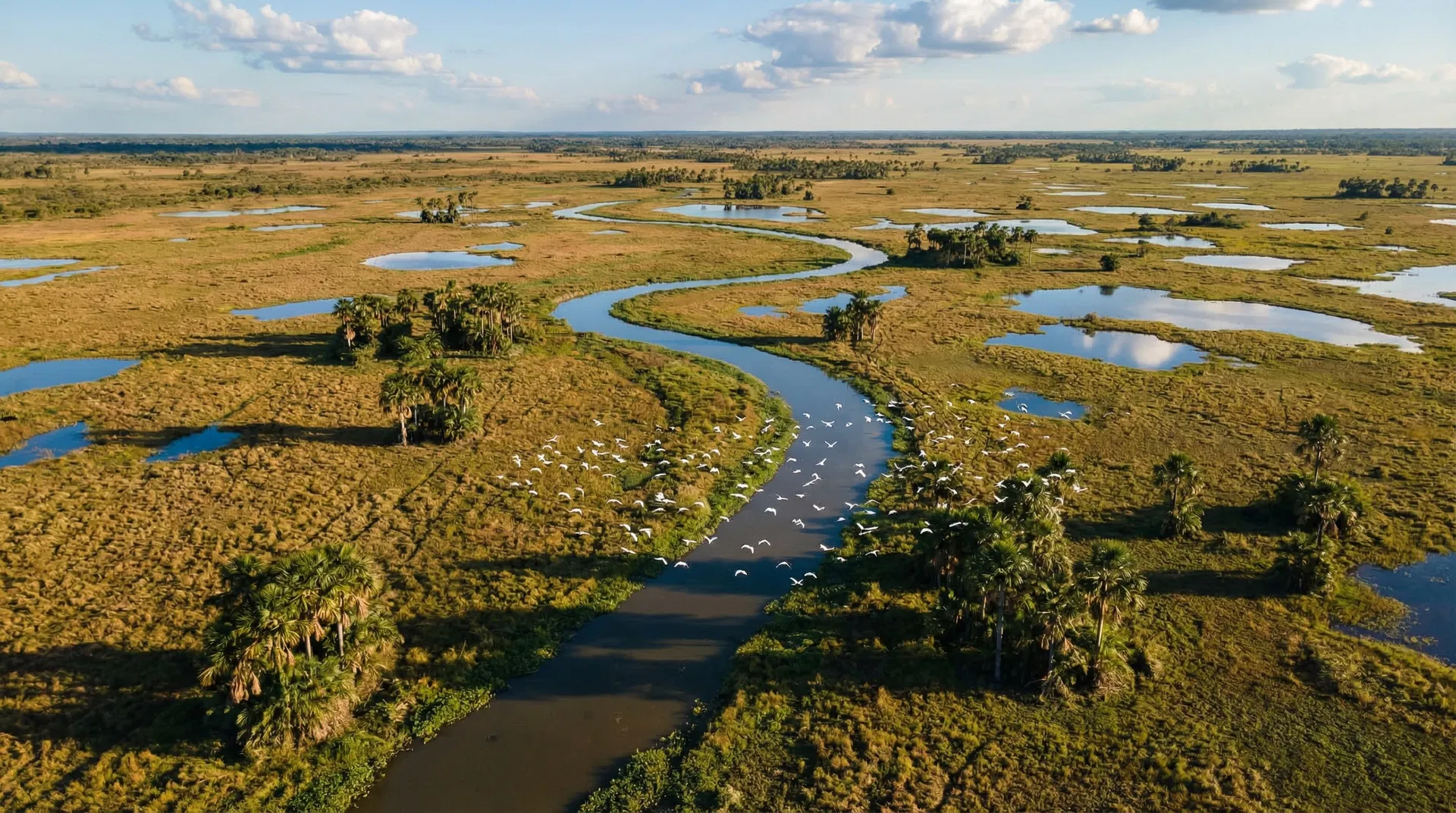
The Pantanal is a fragile ecosystem, and its future depends on concerted conservation efforts. The region faces threats from deforestation, agricultural expansion, and climate change. Protecting the Pantanal means protecting the incredible biodiversity it harbors, including the beloved capybara. Several organizations are working to conserve this vital wetland through habitat preservation, sustainable tourism, and community engagement.
By choosing to visit the Pantanal and supporting responsible tourism, you are contributing to the conservation of this unique and precious ecosystem. Your visit not only provides you with an unforgettable wildlife experience but also helps to ensure that future generations will have the opportunity to marvel at the friendly giants of the Pantanal and the incredible biodiversity of this remarkable region.