The Enduring Legacy of the Pantanal: How Conservation and Responsible Tourism are Safeguarding a Natural Paradise
The Pantanal: A World of Water and Wildlife
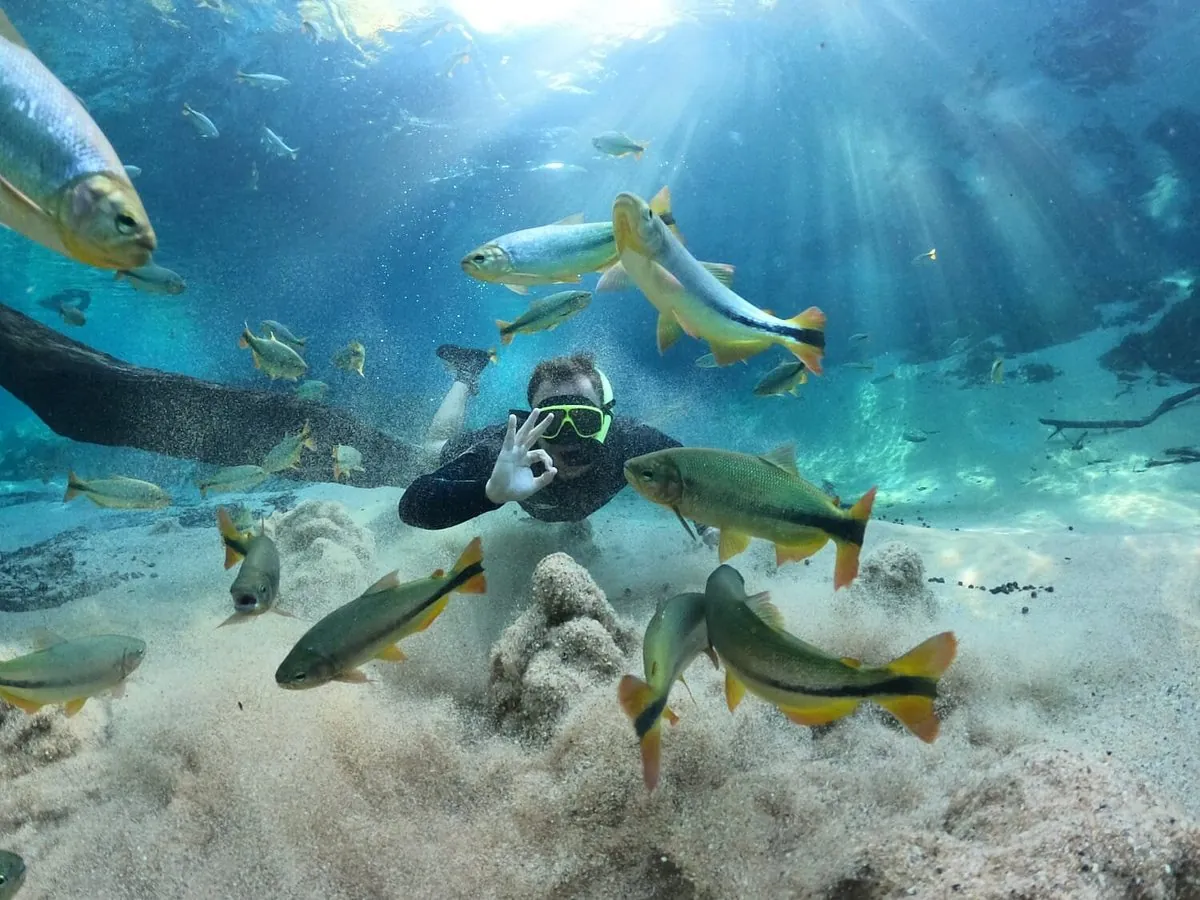
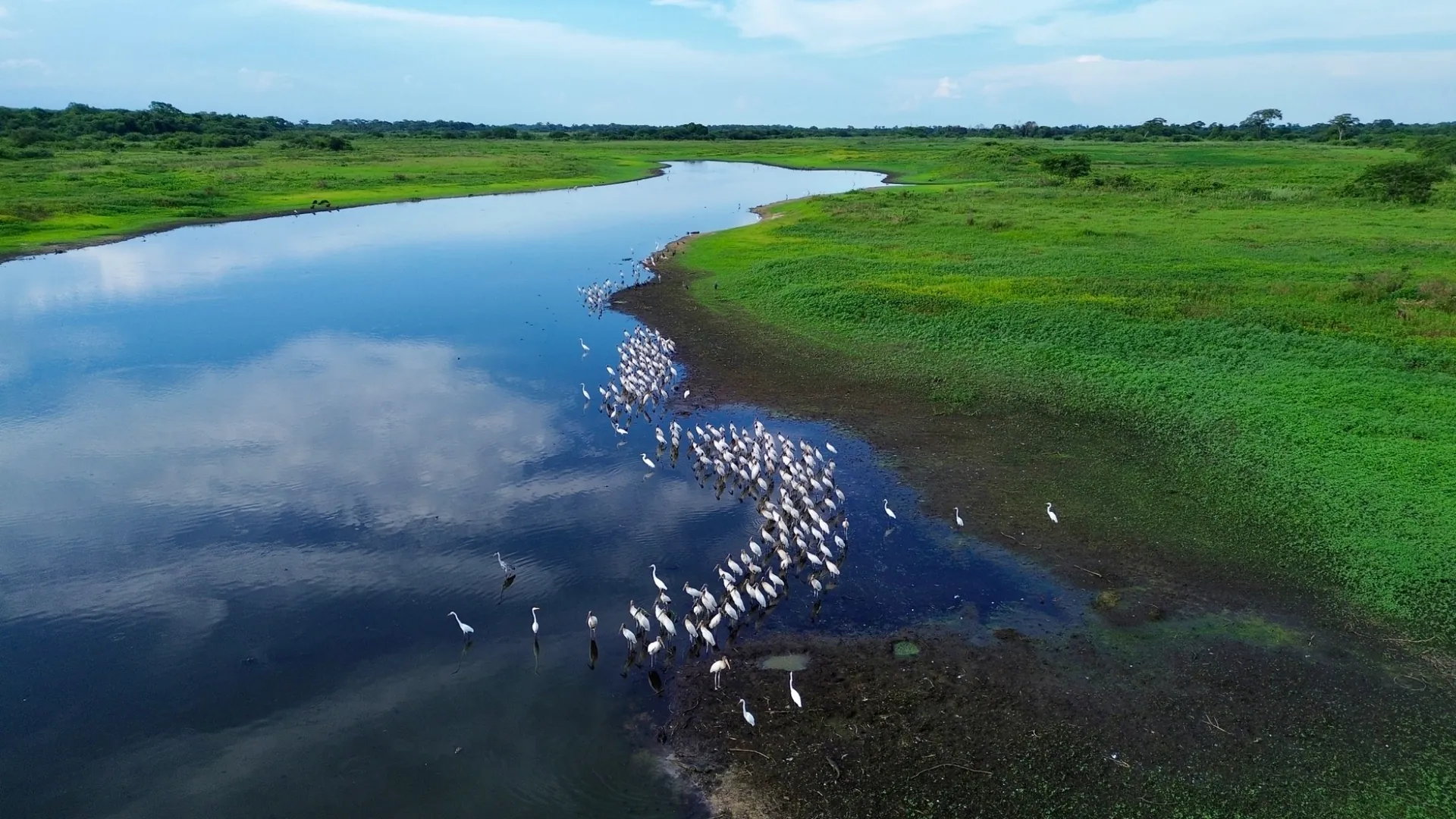
Imagine a wetland so vast it dwarfs entire countries, a shimmering expanse of water and life stretching over 210,000 square kilometers. This is the Pantanal. Twenty times the size of the Florida Everglades, its landscape is a dynamic masterpiece, sculpted by the annual rhythm of flood and drought. When the summer rains arrive, the Paraguay River and its tributaries swell, spilling over their banks and transforming the plains into a vast, shimmering inland sea. This flood is the lifeblood of the Pantanal, a giant nursery for an astonishing 260 species of fish, which in turn feed a dazzling array of predators. The air hangs thick with the scent of wet earth and blooming water hyacinths, a sweet, intoxicating perfume that signals the renewal of life.
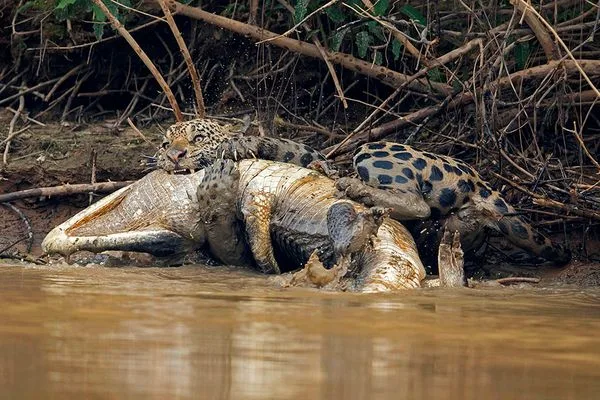
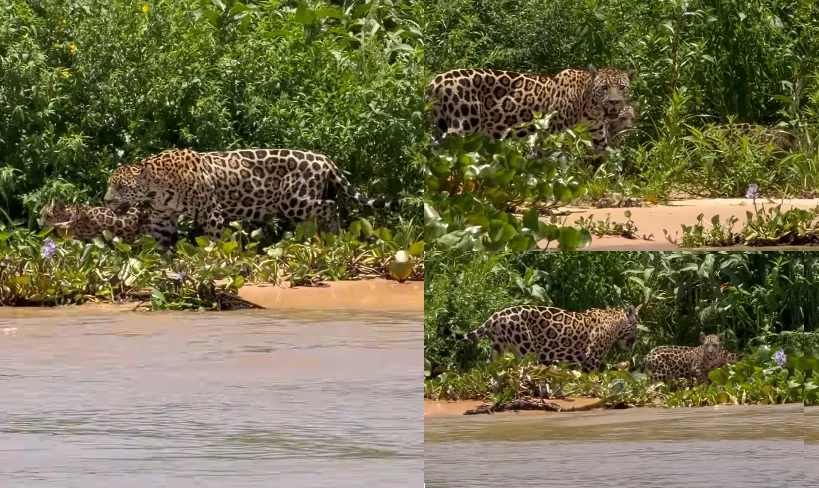
As the waters recede in the dry season, from April to September, the true spectacle begins. The land re-emerges, dotted with glistening pools and channels, and animals congregate in breathtaking numbers. This is the prime time for a Pantanal Safari, a period when the wildlife is at its most visible and dramatic. The air fills with the raucous calls of over 650 bird species – from the iconic Jabiru stork, with its striking red and black neck, to the iridescent Hyacinth Macaw, a flash of cobalt blue against the emerald green canopy. On the ground, capybaras, the world’s largest rodents, graze peacefully on the riverbanks, their calm demeanor a stark contrast to the sudden, explosive splash of a caiman snatching its prey. Giant river otters, sleek and powerful, patrol the waterways in boisterous family groups, their playful antics belying their status as formidable predators. And in the shadows, moving with a silent, deliberate grace, the undisputed king of the Pantanal reigns: the jaguar. To see one of these magnificent creatures in its natural habitat, perhaps lounging on a sun-drenched riverbank or stalking through the dappled light of the forest, is the ultimate prize of a Brazil Wildlife Safari.
The Pressures on Paradise
But this vibrant ecosystem, a designated UNESCO World Heritage Site, is facing unprecedented threats. The Pantanal is a working wetland, and for generations, traditional cattle ranching has coexisted with its wild inhabitants. However, the advance of large-scale agriculture, deforestation for pasture, and the construction of dams on the rivers that feed the floodplain are disrupting the delicate hydrological balance. These dams choke the natural flood pulse, the very heartbeat of the Pantanal, altering the flow of nutrients and water that sustains the entire ecosystem. Water pollution from pesticides and mining runoff further endangers the aquatic life that forms the base of the food chain, with toxins accumulating in fish and, ultimately, in the predators that consume them. Illegal hunting, driven by the demand for pelts and traditional medicine, continues to threaten species like the jaguar and the giant otter. And then there are the fires. Devastating, uncontrolled blazes, often linked to deforestation and exacerbated by a changing climate, sweep across the plains, leaving a trail of destruction in their wake. These fires not only destroy habitats but also exact a terrible toll on wildlife, with countless animals perishing in the flames.
Guardians of the Pantanal: A Symphony of Conservation Efforts
In the face of these challenges, a dedicated community of scientists, conservationists, and local landowners are working tirelessly to secure the future of the Pantanal. Their efforts are a beacon of hope, demonstrating that with passion and innovation, even the most threatened ecosystems can be protected.
Pioneering Land Protection
One of the earliest and most impactful conservation strategies has been the direct protection of land. Organizations like The Nature Conservancy have played a crucial role, helping local partners like Ecotropica to purchase vast tracts of critical habitat. By acquiring over 148,000 acres bordering the Pantanal National Park, they have created a vital buffer zone of private preserves, shielding the core protected area from the encroachment of development. These reserves are not just fences on a map; they are living laboratories for sustainable land management, where traditional cattle ranching is integrated with conservation, proving that people and wildlife can thrive together. They are also crucial corridors for wildlife, allowing animals to move freely between protected areas, ensuring genetic diversity and resilience.
The Jaguar's Reign: Onçafari and the Big Cat's Comeback
At the heart of the Pantanal's allure is the jaguar, the powerful and elusive apex predator. The Onçafari Project is a shining example of how ecotourism can directly contribute to the conservation of a flagship species. By habituating jaguars to the presence of safari vehicles, the project has created unparalleled opportunities for wildlife viewing, particularly in the South Pantanal. This has transformed the jaguar from a perceived threat to livestock into a valuable economic asset. A Jaguar Safari Brazil experience with a responsible operator directly supports this vital work. The revenue generated from tourism provides a sustainable income for local communities and funds further research and conservation efforts, including the monitoring of jaguar populations and the mitigation of human-wildlife conflict. When a rancher can earn more from a living jaguar on their land than from a herd of cattle, the incentive to protect the big cats becomes undeniable.
A Chorus of Conservation
Beyond the big cats, a host of other organizations are contributing to the conservation symphony. SOS Pantanal works to protect the region's biodiversity by promoting sustainable land use practices and tackling the critical issue of water security. They work with landowners to implement best practices that reduce soil erosion and water pollution, ensuring the health of the rivers that are the lifeblood of the Pantanal. The Blue Macaw Project, founded by biologist Neiva Guedes, has been instrumental in bringing the magnificent Hyacinth Macaw back from the brink of extinction. Through a combination of nest monitoring, scientific research, and community engagement, they have successfully increased the macaw population, leading to its down-listing from “endangered” to “vulnerable.” Their work includes the creation of artificial nests and a robust environmental education program that has turned local communities into proud guardians of their feathered neighbors. These projects, and many others like them, are the threads in a growing tapestry of conservation that is strengthening the resilience of the Pantanal.
The Power of Your Presence: How Responsible Tourism Makes a Difference
As a traveler, the choices you make have a profound impact. By choosing a responsible tour operator for your Pantanal Wildlife adventure, you become an active participant in the conservation of this incredible place. Your journey provides the economic incentive for local landowners to protect rather than exploit their land. It funds the research that informs conservation strategies and supports the livelihoods of local guides and communities who are the frontline guardians of the Pantanal. The money you spend on a safari can help fund anti-poaching patrols, environmental education programs for local children, and the development of sustainable livelihoods that reduce the pressure on the Pantanal's natural resources.
“Responsible tourism is not just about seeing wildlife; it’s about ensuring that future generations have the same privilege. When a community sees that a living jaguar is worth more than a dead one, the entire conservation paradigm shifts. Travelers’ dollars are one of the most powerful tools we have in our conservation toolbox.” - Dr. Gabriela Silva, Conservation Biologist
When you book one of our safari packages, like our acclaimed Jaguar Safari package, you are investing in a sustainable future for the Pantanal. We partner with lodges and guides who are deeply committed to conservation, ensuring that your visit has a positive impact. Explore our Destinations page to learn more about the specific areas we visit and the conservation projects we support. We believe in transparency and are proud to show you exactly how your trip contributes to the protection of this precious ecosystem.
Your Pantanal Safari Awaits
The Pantanal is a land of wonder, a place that will capture your heart and ignite your soul. It is a reminder of what we stand to lose, and a powerful example of what can be achieved when we work together to protect our planet’s natural treasures. The symphony of the Pantanal is calling. The guttural roar of a jaguar at dawn, the splash of a giant river otter, the vibrant flash of a macaw’s wings – these are the sounds of a wild and thriving ecosystem. Are you ready to answer?
Don't just dream of the Pantanal; experience it. Contact our team today to start planning your unforgettable Brazilian wildlife safari. Your adventure will not only provide you with memories to last a lifetime but will also contribute to the enduring legacy of this remarkable corner of the world. A Brazil Wildlife Safari is more than a vacation; it is a chance to make a difference, to become part of the story of the Pantanal's survival, and to witness firsthand the power of conservation in action.