Pantanal Safari Health and Safety: What You Need to Know
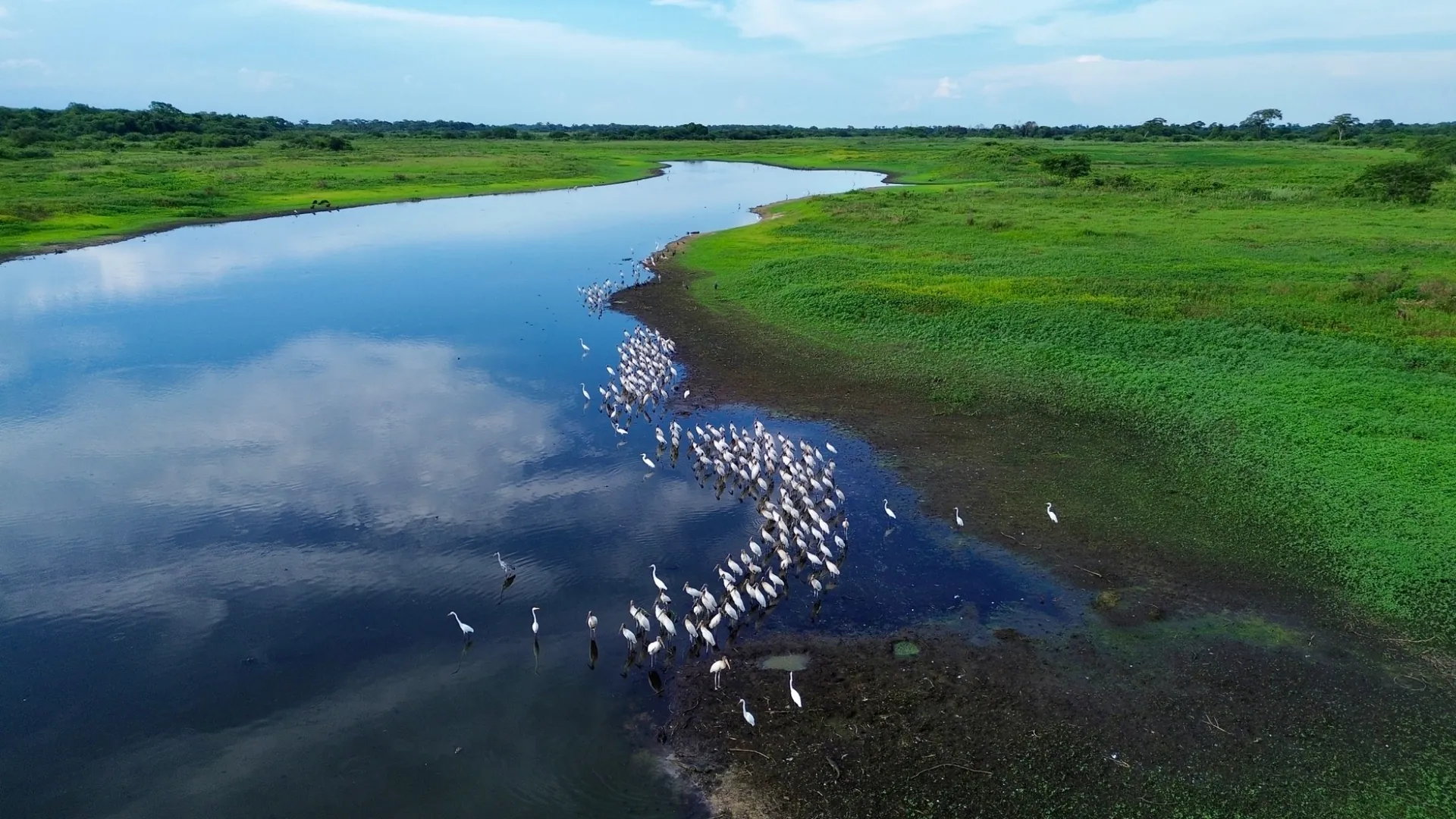
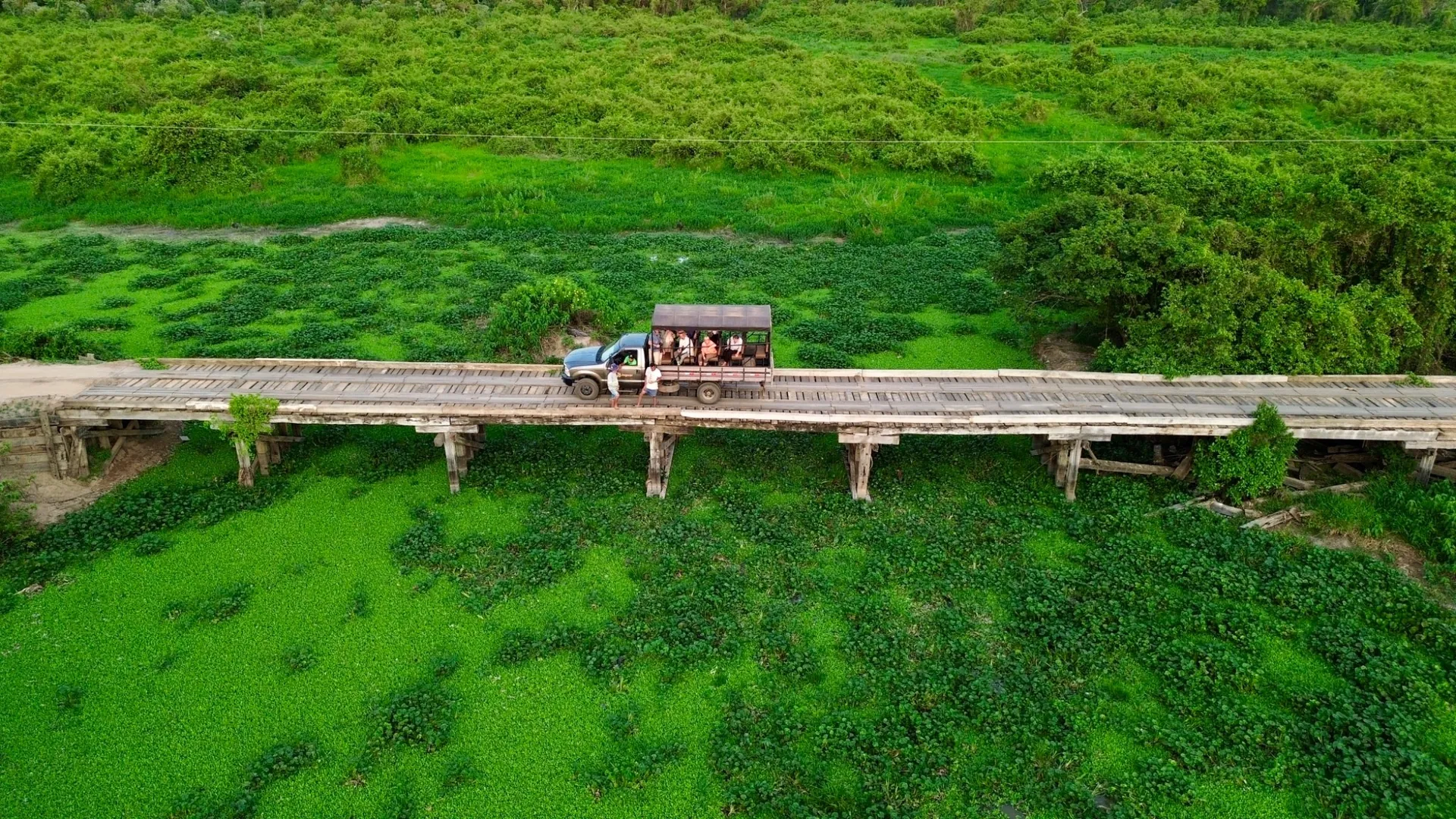
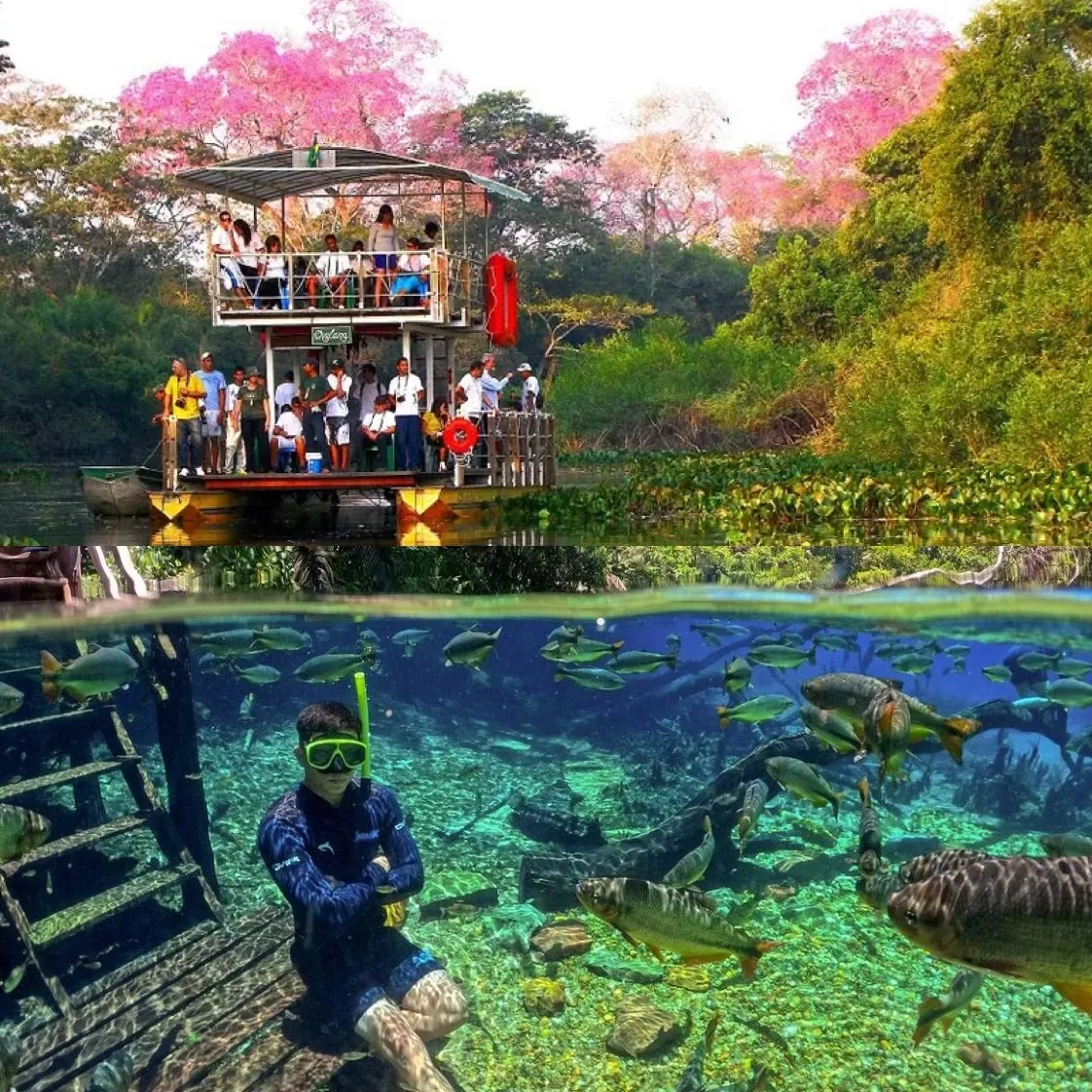
The Pantanal, the world's largest tropical wetland, is a paradise for wildlife enthusiasts, offering unparalleled opportunities for a jaguar safari in Brazil. While this incredible ecosystem promises unforgettable adventures, it's essential to be prepared for the health and safety challenges of traveling in a remote, wild environment. This guide provides comprehensive information to ensure your Pantanal safari is both thrilling and safe.
Vaccinations and Medications: Preparing for Your Trip
Before you embark on your Pantanal adventure, it is crucial to consult with your doctor or a travel medicine specialist at least a month before your departure. They can provide personalized advice and prescribe any necessary vaccinations or medications.
Recommended Vaccinations
The Centers for Disease Control and Prevention (CDC) provides recommendations for travelers to Brazil. While no vaccinations are mandatory for entry, several are highly recommended for your protection.
Make sure you are up-to-date on all routine vaccines before every trip. Some of these vaccines include Chickenpox (Varicella), Diphtheria-Tetanus-Pertussis, Flu (influenza), Measles-Mumps-Rubella (MMR), Polio, and Shingles. [1]
Here is a summary of recommended vaccines for travelers to the Pantanal:
| Vaccine | Recommendation |
|---|---|
| Routine Vaccines | Ensure all your routine immunizations are current. |
| Hepatitis A | Recommended for most travelers. |
| Typhoid | Recommended, especially for those visiting smaller cities or rural areas. |
| Yellow Fever | Recommended for travelers visiting the Pantanal region. |
| Rabies | Recommended for travelers who may have contact with wildlife. |
Malaria Prevention
Malaria is a risk in certain areas of Brazil, including the Pantanal. The CDC recommends that travelers to this region take prescription medicine to prevent malaria. It is important to discuss with your doctor which antimalarial medication is right for you and to take it as prescribed before, during, and after your trip. [1]
Staying Safe in the Wild: Wildlife, Insects, and More
A Pantanal safari offers incredible opportunities to see amazing animals, but it's important to remember that you are a visitor in their home. Respecting wildlife and taking precautions against environmental hazards are key to a safe and enjoyable experience.
Wildlife Encounters
The Pantanal is home to a rich diversity of wildlife, including jaguars, caimans, capybaras, and anacondas. While seeing these animals is a highlight of any trip, it is crucial to do so responsibly.
- Always keep a safe distance from wildlife. Never attempt to feed or touch any animal.
- Listen to your guide. They are experts on animal behavior and will ensure your encounters are safe for both you and the animals.
- Be especially cautious around caimans and jaguars. While attacks are rare, these are powerful predators that should be treated with respect.
Insect Protection
Mosquitoes and other biting insects are common in the Pantanal and can transmit diseases such as dengue, chikungunya, Zika, and leishmaniasis. Protecting yourself from insect bites is essential.
Use an Environmental Protection Agency (EPA)-registered insect repellent containing DEET, picaridin, or oil of lemon eucalyptus. [1]
- Wear long-sleeved shirts and long pants, especially during early morning and evening hours when mosquitoes are most active.
- Treat your clothing and gear with permethrin or purchase pre-treated items.
- Sleep in well-screened or air-conditioned rooms or use a bed net.
Food and Water Safety
To avoid foodborne and waterborne illnesses, it is important to be mindful of what you eat and drink.
- Drink only bottled, boiled, or treated water. Avoid tap water, ice cubes, and unpasteurized dairy products.
- Eat food that is cooked and served hot. Avoid raw or undercooked food, especially meat and seafood.
- Wash your hands frequently with soap and water or use an alcohol-based hand sanitizer.
General Safety and Travel Tips
Beyond wildlife and health concerns, it is important to be aware of general safety practices to ensure a smooth and secure trip.
Personal Security
While the Pantanal is generally a safe destination, it is wise to take precautions, especially when traveling through larger cities en route to the wetlands.
- Be aware of your surroundings and avoid displaying expensive jewelry or electronics.
- Keep your valuables secure in a money belt or hotel safe.
- Use reputable transportation and avoid traveling alone at night.
What to Pack
Packing the right gear will enhance your comfort and safety during your Pantanal safari.
- Lightweight, light-colored clothing to stay cool and deter insects.
- A wide-brimmed hat, sunglasses, and high-SPF sunscreen for sun protection.
- A good pair of binoculars for wildlife viewing.
- A basic first-aid kit with any personal medications.
Your Pantanal Adventure Awaits
The Pantanal is a land of incredible beauty and biodiversity, offering a truly unique wildlife experience. By taking the necessary health and safety precautions, you can fully immerse yourself in the magic of this extraordinary destination. Ready to embark on the adventure of a lifetime? Book your Pantanal safari today and prepare to be amazed by the wonders of the Brazilian wetlands.
References
[1] Centers for Disease Control and Prevention. (2026, February 19). Brazil - Traveler view. Travelers' Health. Retrieved March 14, 2026, from https://wwwnc.cdc.gov/travel/destinations/traveler/none/brazil