How to Photograph Jaguars in the Wild
Photography

How to Photograph Jaguars in the Wild

Pantanal Brazil Safaris 5 min read

Expert tips on camera gear, settings, positioning, and techniques for capturing stunning jaguar photographs during your Pantanal safari.

How to Photograph Jaguars in the Wild: An Expert Guide

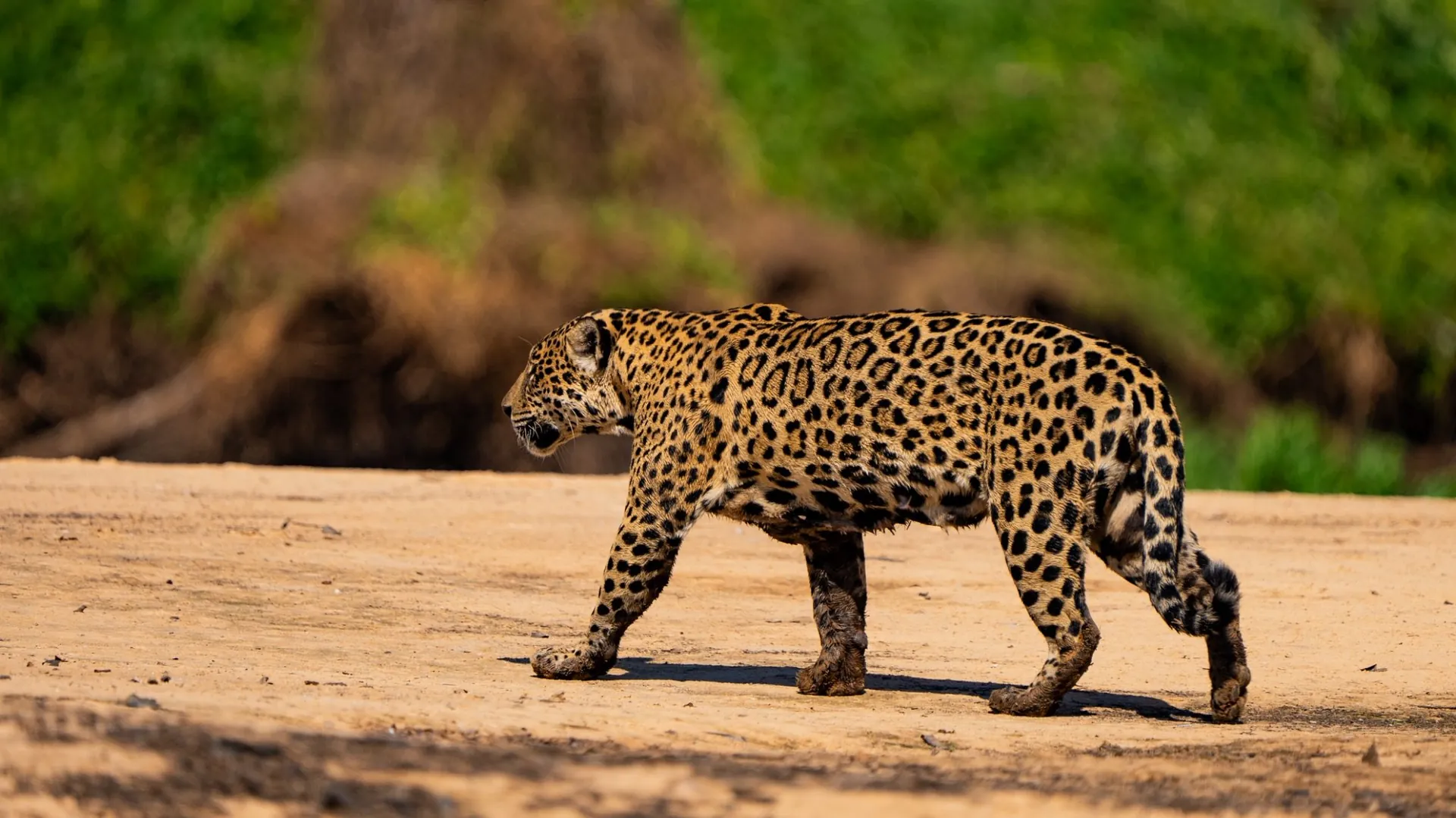
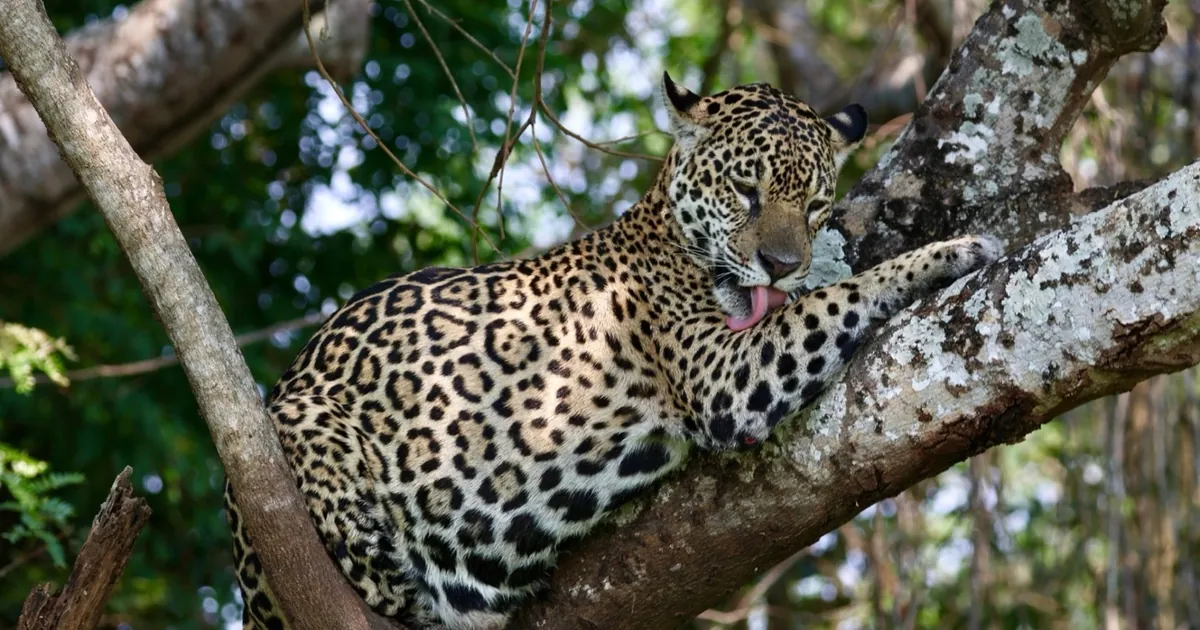
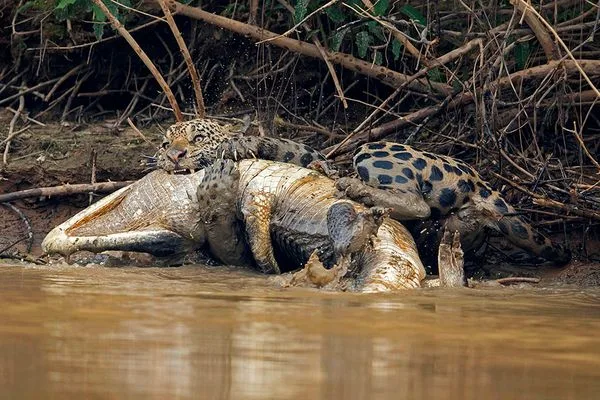
The Pantanal, a sprawling wetland paradise in the heart of Brazil, is the undisputed kingdom of the jaguar. For wildlife photographers, a Pantanal Safari offers an unparalleled opportunity to capture the raw power and elusive beauty of this magnificent big cat. But photographing jaguars from a riverboat presents a unique set of challenges and rewards. This is not a typical safari; it’s a dynamic, water-based pursuit that demands skill, preparation, and a deep respect for the wild. If you’re dreaming of capturing that perfect, frame-filling shot of a jaguar on the riverbank, you’ve come to the right place. This guide is packed with expert tips on camera gear, settings, and field techniques to help you make the most of your Jaguar Safari Brazil.

The Pantanal: A Photographer’s Paradise

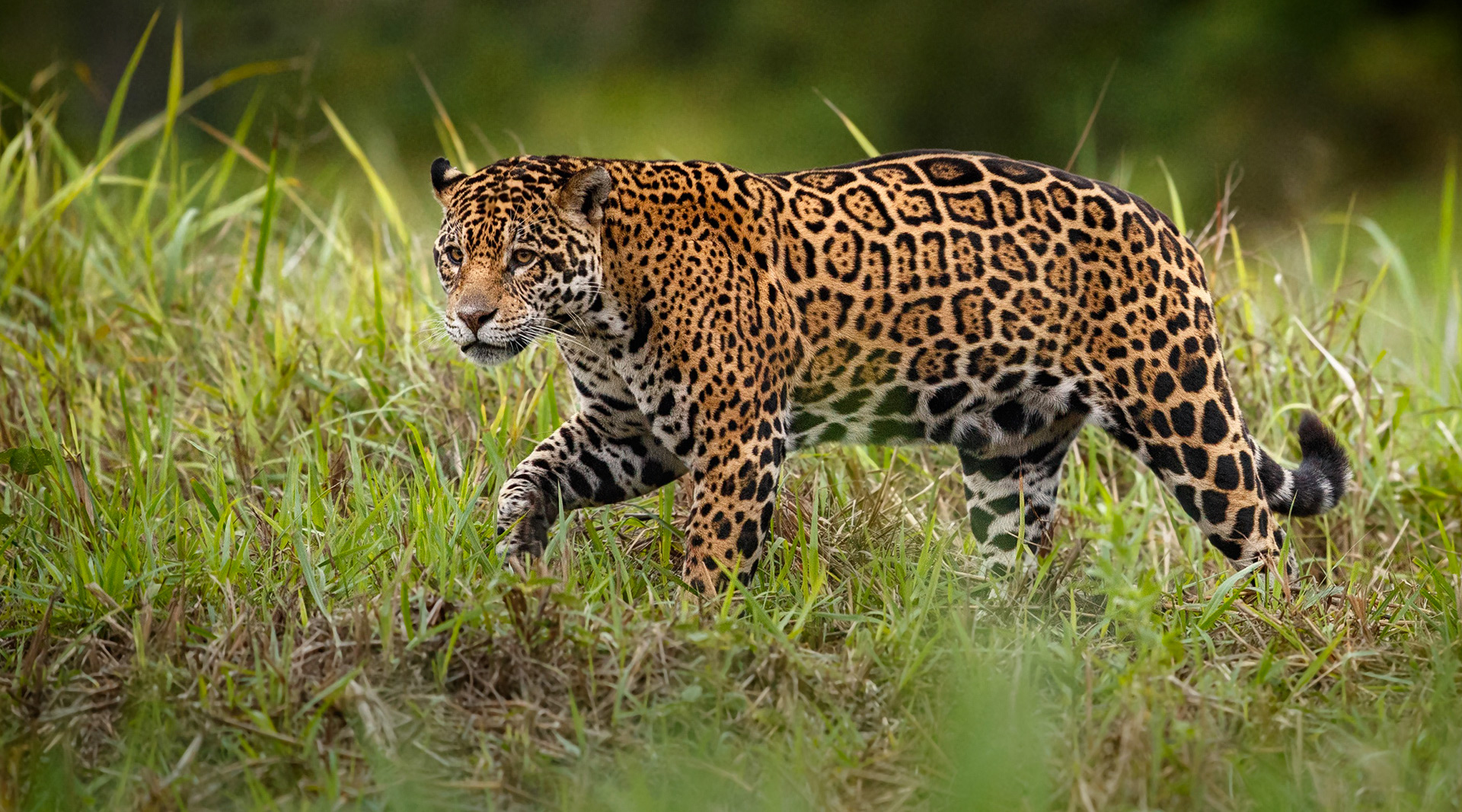
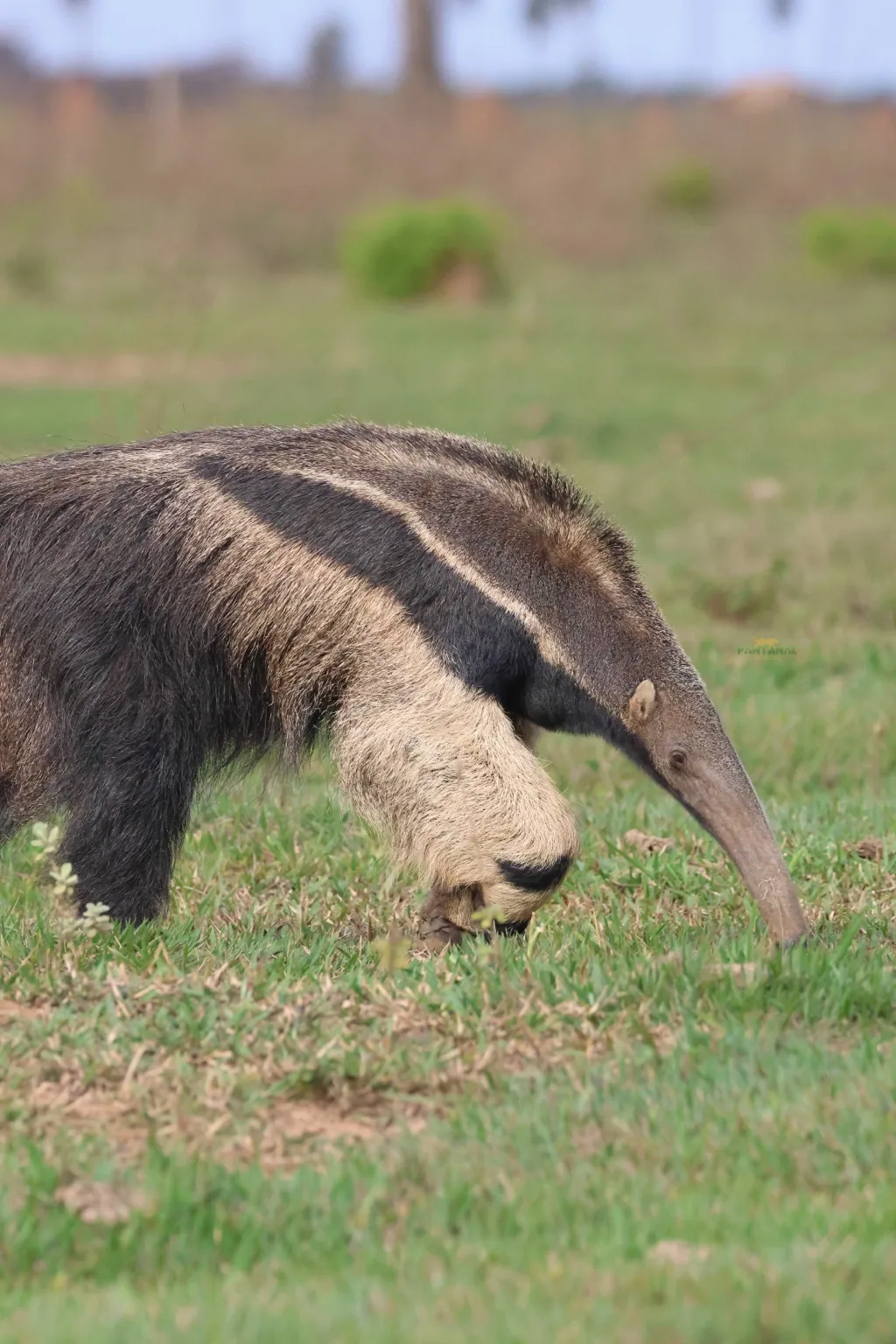
Imagine gliding down a tranquil river, the air thick with the sounds of the rainforest. A caiman suns itself on a sandbank, a family of capybaras watches you pass, and vibrant kingfishers dart across the water. This is the stunning backdrop for the ultimate prize: the jaguar. Unlike anywhere else on Earth, the jaguars of the Pantanal are often seen during the day, patrolling their riverine territories. Our Destinations page provides more detail on the incredible biodiversity you'll encounter here. This high-density population and their unique, water-centric lifestyle make a Brazil Wildlife Safari the world’s premier destination for jaguar sightings and photography.

Gearing Up for Your Jaguar Safari

Success in wildlife photography begins long before you press the shutter. Bringing the right equipment is critical. On the river, you can’t just run back to your room for a different lens. Here’s what our seasoned photography guides recommend.

The Right Camera Body

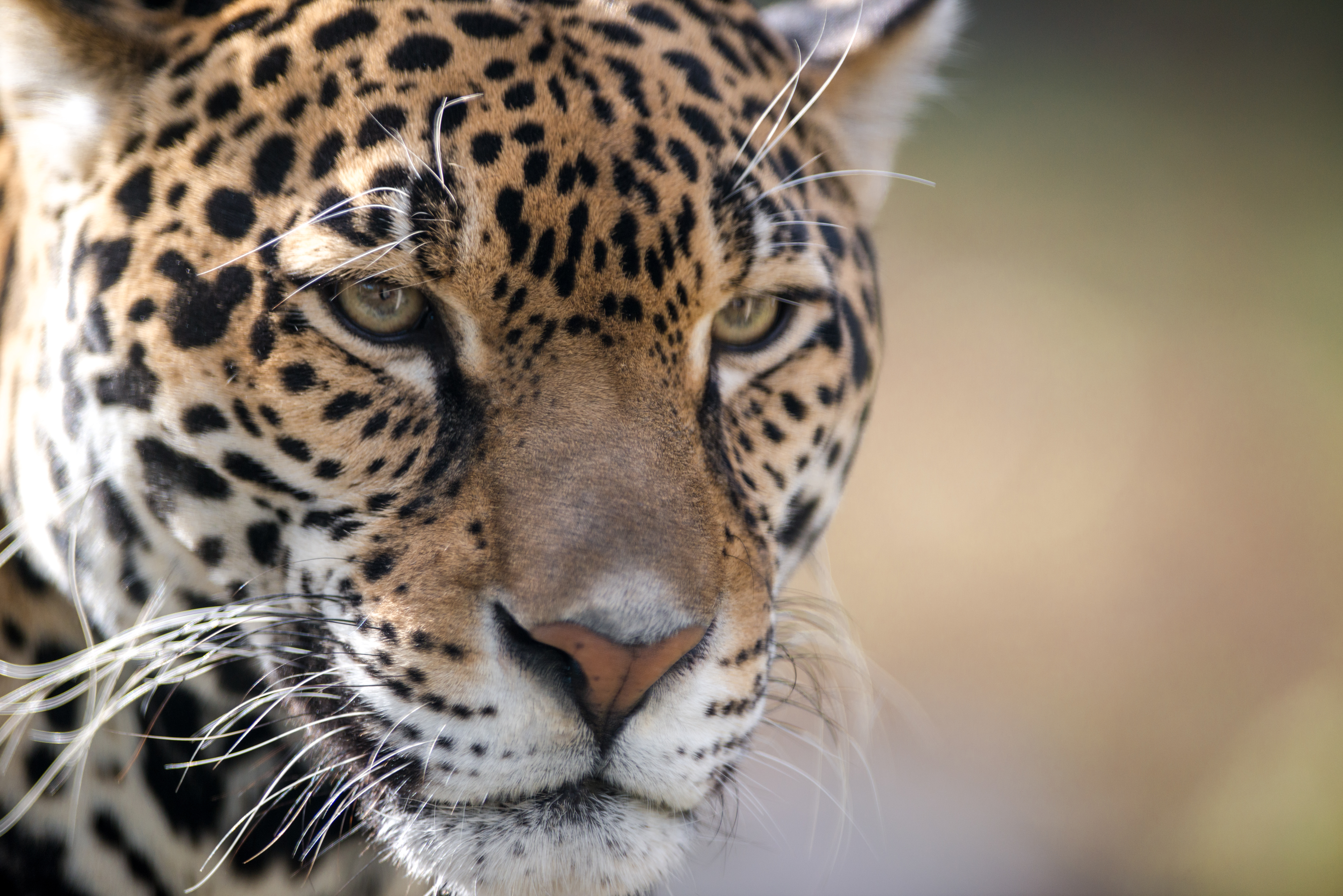
Your camera needs to be fast and reliable. Look for a model with a high-performance autofocus (AF) system that can track moving subjects effectively. A fast burst rate (frames per second) is also crucial for capturing fleeting moments of action. Modern mirrorless cameras from brands like Sony, Canon, and Nikon are exceptional choices, offering features like animal eye-AF that can be a game-changer for locking onto a jaguar's intense gaze.

Lenses: Your Most Crucial Tool

If you can only invest in one key piece of gear, make it a quality telephoto lens. The distances to jaguars can vary dramatically, from an intimate encounter just meters away to a sighting on the opposite riverbank.

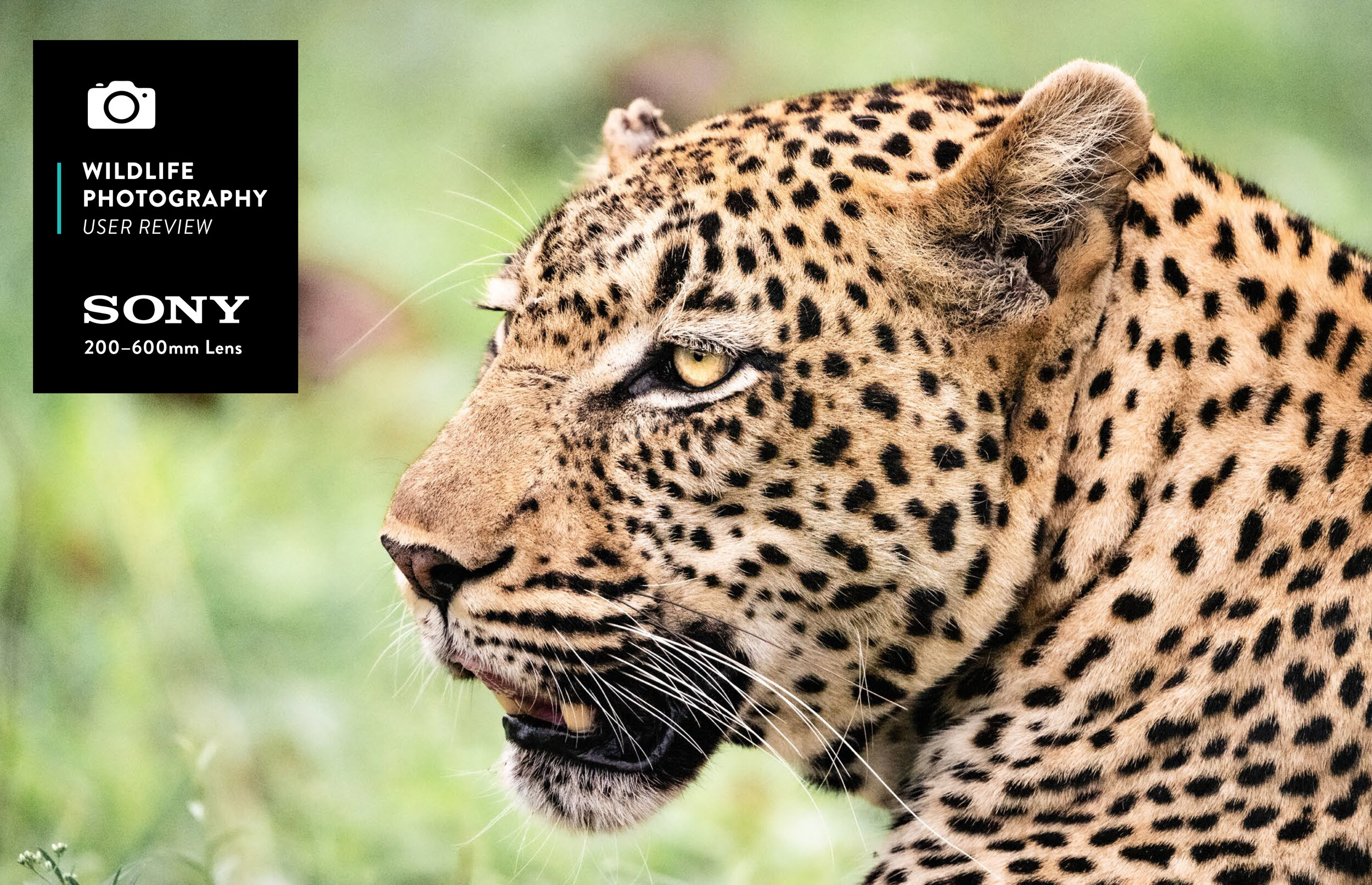
  • Versatile Zooms: A telephoto zoom lens in the 100-400mm or 200-600mm range is perhaps the most versatile option. It allows you to quickly adapt your framing, from a wider environmental shot showing the jaguar in its habitat to a tight portrait.
  • Prime Lenses: For those seeking the absolute best in image quality and low-light performance, a prime lens like a 400mm f/2.8 or 600mm f/4 is unbeatable. While heavier and less flexible, they produce incredibly sharp images with beautiful background blur (bokeh) that makes your subject pop.

Essential Accessories

Don't overlook the small things; they can make or break your experience.

  • Plenty of Batteries: You’ll be out on the boat for hours, often with no access to charging. Bring at least two or three spare batteries.
  • Large Memory Cards: Shooting in burst mode, especially in RAW format, fills cards quickly. Bring more storage than you think you’ll need.
  • Lens Cleaning Kit: River spray, dust, and humidity are a constant. A microfiber cloth and a lens blower are essential for keeping your glass clean.
  • A Dry Bag: Protect your valuable gear from the elements with a reliable waterproof dry bag.

Mastering Your Camera Settings

When a 140kg jaguar suddenly appears, you won’t have time to fiddle with dials. Internalize these settings so you can react instinctively.

Shutter Speed: The Golden Rule on the River

This is the single most important setting to master. You are on a moving boat, the jaguar is a moving animal, and your guide is constantly adjusting position. To counteract all this motion and ensure your images are tack-sharp, you need a fast shutter speed.

  • Your Minimum: Start with a shutter speed of 1/1600s and don't be afraid to go higher.
  • For Action: If the jaguar is walking, swimming, or hunting, push your shutter to 1/2000s or faster.

A slightly grainy but sharp photo is infinitely better than a clean but blurry one. A fast shutter speed is your best insurance against motion blur.

Aperture: Balancing Light and Focus

Your aperture controls how much light enters the lens and your depth of field. A wider aperture (like f/2.8 or f/4) will blur the background, making the jaguar stand out. However, it also creates a very shallow plane of focus, meaning a slight movement could leave the jaguar's eyes soft.

  • The Sweet Spot: An aperture of f/5.6 to f/8 is often a safe and effective bet. It provides enough depth of field to keep the entire animal in focus while still offering pleasant separation from the background.

ISO: Embracing the Light You Have

Don't be afraid of your ISO. Modern cameras handle higher ISOs remarkably well. In the golden light of early morning or late afternoon, or when a jaguar is in deep shade, you will need to increase your ISO to maintain that all-important fast shutter speed. It's better to have a sharp, well-exposed image with a bit of grain than a dark, unusable one.

Expert Tip: Set your camera to Auto ISO with a minimum shutter speed of 1/1600s. This allows the camera to automatically adjust the ISO to changing light conditions, while you maintain control over the most critical setting for sharpness.

Techniques from the Field

Great gear and settings are only part of the equation. How you conduct yourself in the field is just as important.

Trust Your Guide

Our local guides are the best in the world. They have spent their lives on these rivers and can read the subtle signs of a jaguar's presence long before you can. Listen to them, be ready when they tell you to be, and trust their positioning of the boat. They are working to get you the best possible angle without stressing the animal.

Compose with a Story in Mind

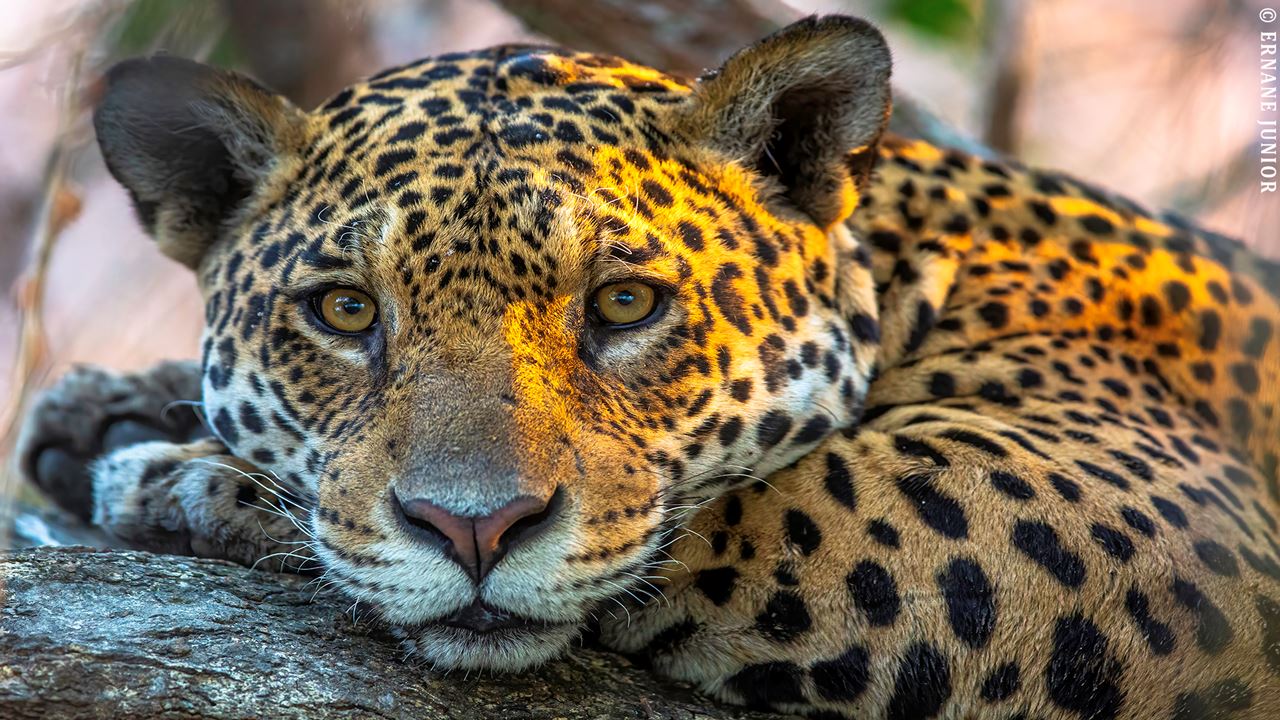
Don't just shoot a mugshot. Think about the story you want to tell. Use the rule of thirds to create a more dynamic composition. Include the environment—the gnarled roots of a tree, the reflections on the water, the dense jungle backdrop. Capture behaviors: a yawn, a stretch, the intense focus of a hunt, or the powerful grace of a jaguar swimming across the river.

Positioning and Patience

Photography from a boat is a team sport. Be considerate of others in the boat. Our guides will do their best to ensure everyone gets a good view, which often means rotating the boat. Be patient. Wildlife photography involves a lot of waiting. The reward is witnessing natural behavior unfold, and being ready when it does.

Your Pantanal Safari Awaits

The Pantanal is a place of primal beauty and unforgettable wildlife encounters. Photographing a wild jaguar is a profound experience, a moment where time seems to stand still. With the right preparation, the right gear, and the right mindset, you can come home with not just photographs, but with stories etched into your memory.

Are you ready to capture the spirit of the Pantanal? Our Jaguar Safari package is designed by photographers, for photographers. We handle all the logistics so you can focus on what you do best: creating stunning images. Contact our team today to start planning your adventure of a lifetime. The jaguars are waiting.

PhotographySafariTravel Tips

Pantanal Brazil Safaris

Expert wildlife guide and writer at Pantanal Brazil Safaris, sharing insights from years of experience in the world's largest tropical wetland.