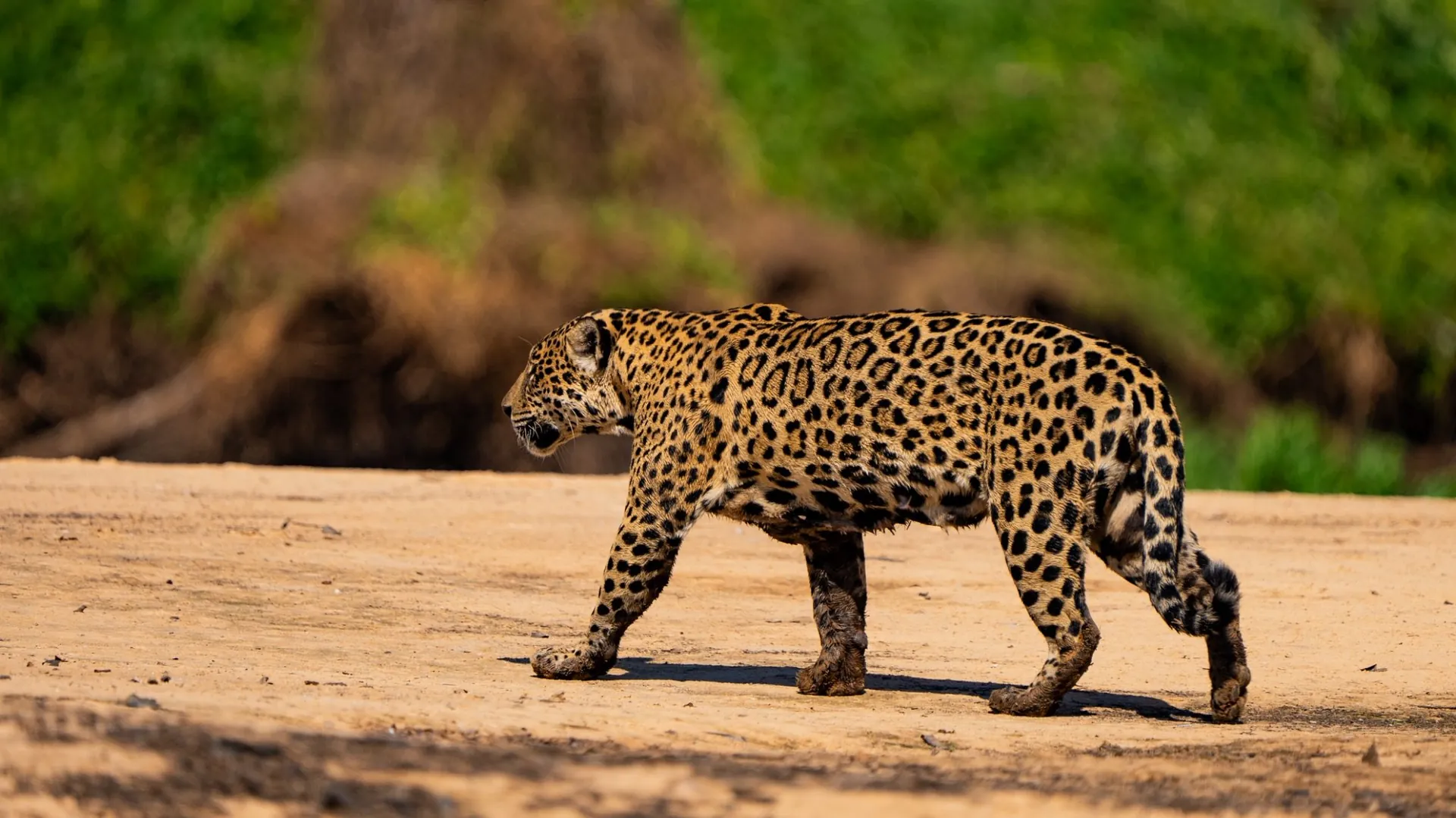
The Jaguar Conservation Story: How Tourism Saves Big Cats
From Conflict to Conservation: A New Future for the Pantanal Jaguar
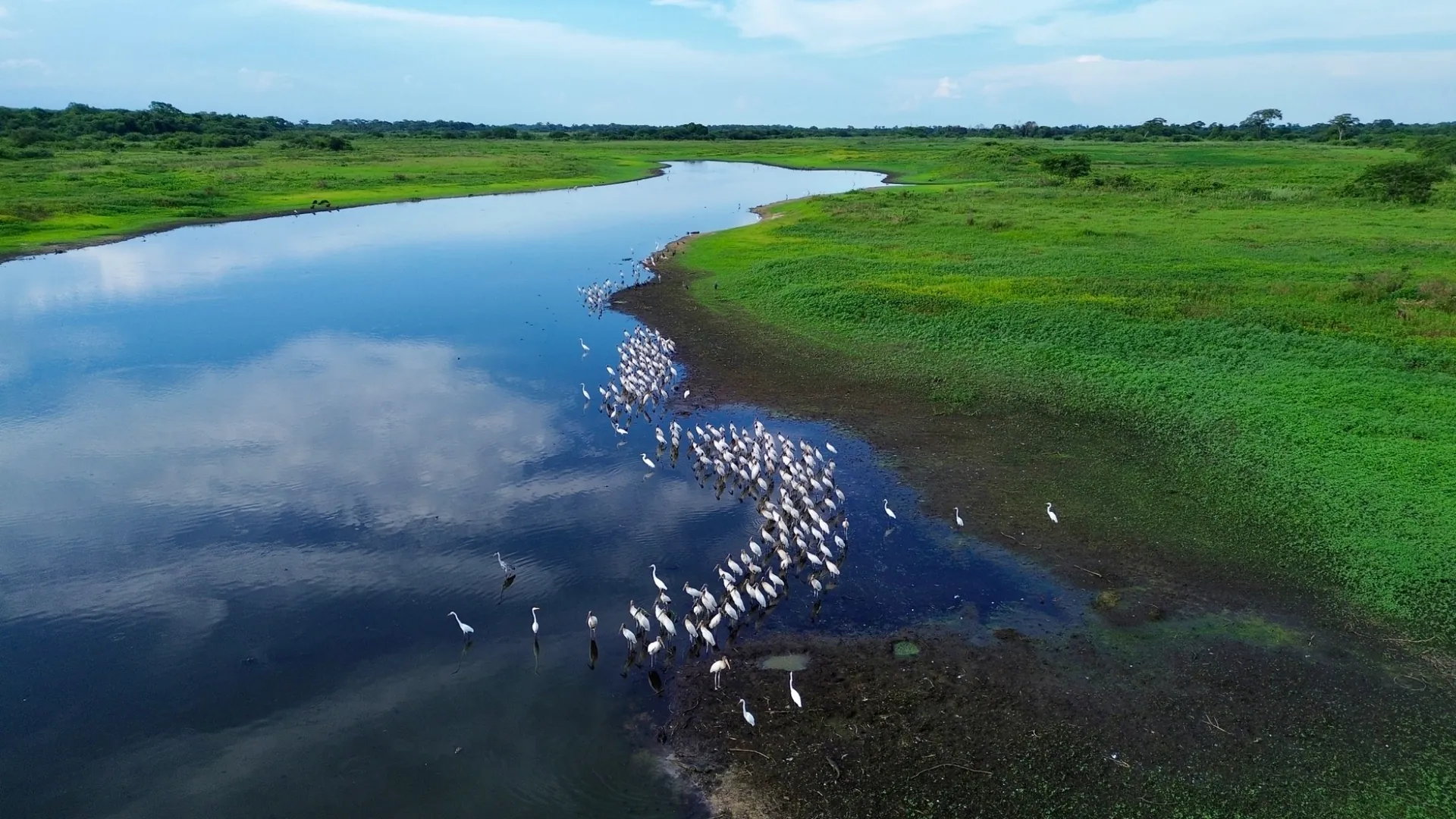
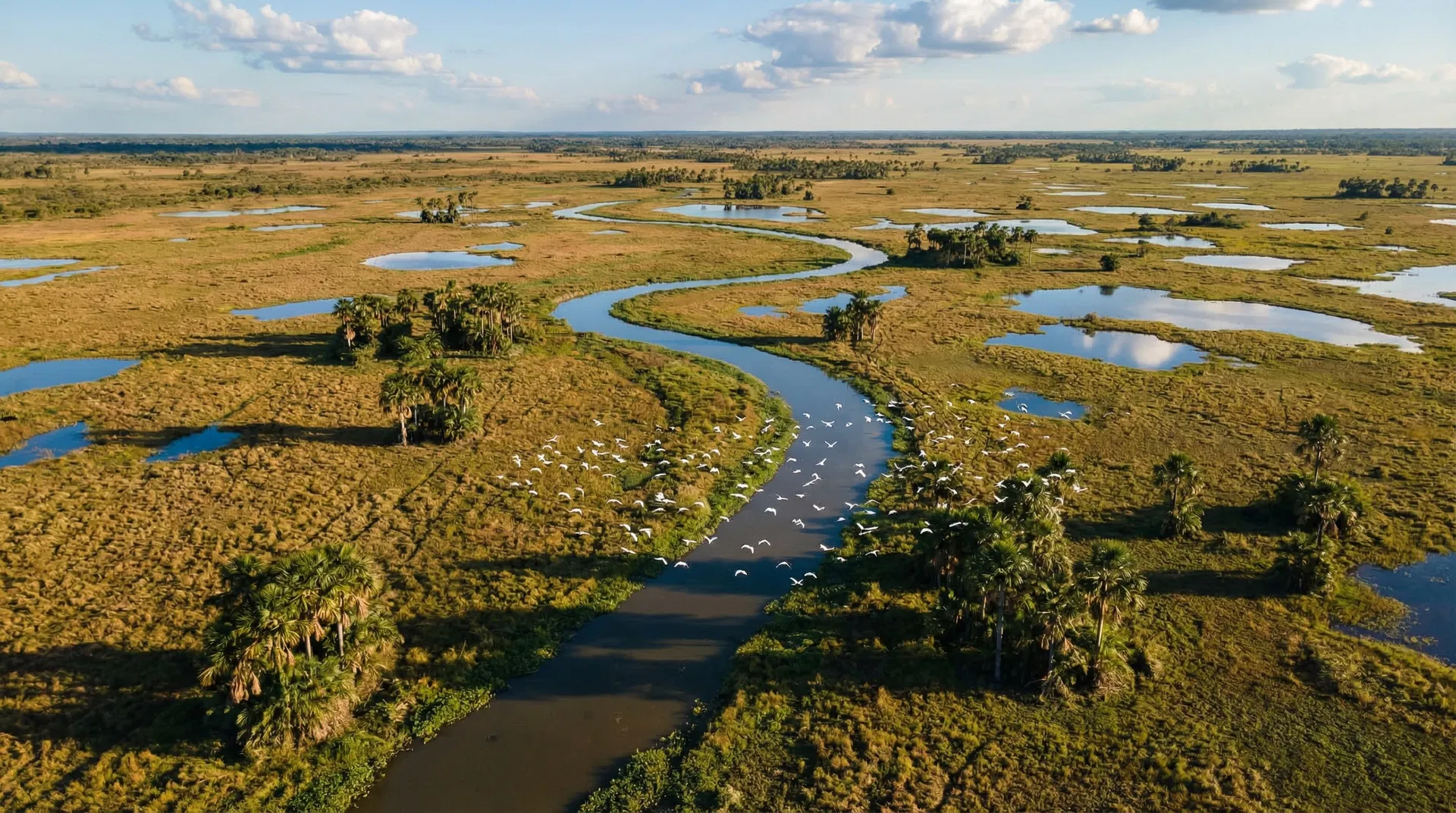
The Pantanal, the world's largest tropical wetland, is a realm of breathtaking biodiversity, and at the apex of its intricate food web prowls the majestic jaguar. For centuries, the story of the jaguar in the Pantanal was one of conflict with humans, particularly with the cattle ranchers who have long been the economic backbone of the region. The loss of livestock to predation often led to retaliatory killings, pushing the jaguar population into a precarious position. However, a new narrative is emerging, one where tourism is not just a source of income, but a powerful force for conservation, transforming the jaguar from a perceived threat into a priceless asset.
This shift in perspective is most evident in the heart of the Pantanal, where a burgeoning ecotourism industry has created a powerful economic incentive to protect these magnificent big cats. A live jaguar, once a liability, is now a major draw for international travelers, generating significant revenue for local communities and demonstrating that a thriving jaguar population can be more profitable than cattle ranching alone. This is the story of how your next adventure—a Pantanal jaguar safari—can directly contribute to the survival of this iconic species.
The Power of a Paw Print: How Jaguar Tourism Works
The success of jaguar-focused ecotourism in the Pantanal is not a matter of chance; it is the result of dedicated conservation efforts and innovative models that place the jaguar at the center of a sustainable local economy. Organizations like the Jaguar ID Project and Onçafari are at the forefront of this movement, pioneering approaches that benefit both wildlife and people.
The Jaguar ID Project, a key conservation initiative in the northern Pantanal, uses a fascinatingly simple yet effective methodology: identifying individual jaguars by their unique spot patterns, much like a human fingerprint. By collecting data from tourist photographs, guide sightings, and strategically placed camera traps, researchers can track the movements, behaviors, and territories of these elusive cats. This data is invaluable for understanding jaguar ecology and informing conservation strategies.
This is where you, as a traveler, come in. By participating in a Pantanal jaguar safari, you are not just a passive observer; you are an active contributor to this vital research. The photos you take can be submitted to the Jaguar ID Project, adding to their ever-growing database and providing crucial information for the long-term protection of the species. This direct involvement creates a powerful connection between tourism and conservation, turning your holiday into a meaningful act of citizen science.
Onçafari: A Holistic Approach to Conservation
Another leading organization, Onçafari, takes a holistic approach to conservation, recognizing that the well-being of the jaguar is inextricably linked to the health of the entire ecosystem and the prosperity of local communities. Their work extends beyond jaguar research to encompass a wide range of initiatives, including scientific research, environmental education, community outreach, and, of course, ecotourism.
Onçafari's ecotourism model is designed to be a self-sustaining cycle of conservation. The revenue generated from their safari tours and lodges is reinvested directly into their conservation projects. This creates a sustainable funding stream that is not dependent on donations or grants, ensuring the long-term viability of their efforts. By choosing to travel with an organization like Onçafari, you are making a direct investment in the future of the Pantanal and its magnificent wildlife.
Beyond the Riverbanks: Addressing the Challenges of Coexistence
While the success of jaguar tourism in areas like Porto Jofre is a beacon of hope, the challenges of jaguar conservation extend far beyond the well-trodden tourist routes. In the vast expanses of the Pantanal where tourism is less developed, the conflict between jaguars and cattle ranchers remains a significant threat. This is where the work of organizations like the Impacto Institute becomes so critical.
The Impacto Institute works directly with ranchers to find practical solutions for coexistence. This includes the implementation of non-lethal conflict mitigation strategies, such as the use of electric fences to protect livestock, and educating ranchers about the ecological benefits of jaguars. For example, by preying on capybaras, jaguars help to control the population of these large rodents, which can carry diseases that are harmful to both livestock and humans.
Your Pantanal Safari: A Journey with a Purpose
A Pantanal jaguar safari is more than just an opportunity to witness one of the world's most magnificent predators in its natural habitat. It is a chance to be part of a groundbreaking conservation story, to contribute to vital research, and to support a sustainable economic model that is securing a future for the jaguar.
When you book a Pantanal safari with a responsible tour operator, you are not just buying a holiday; you are investing in the future of this incredible ecosystem. You are empowering local communities, supporting scientific research, and helping to ensure that the roar of the jaguar will continue to echo through the Pantanal for generations to come.
Ready to embark on your own jaguar conservation adventure? Book your Pantanal jaguar safari today and become part of the solution.